


AI for A-level Biology: AI for Revision
Can an AI help you revise topics you’ve already learned once? Yes - but only if you can stop it from telling you everything before you’ve had a chance to think. This is how I designed a prompt to achieve that.

AI for A-level Biology Students
Never just open up the AI and ask it a question without any context. You need to be smarter about this. Think about what you’re trying to achieve.

So your end-of-year exams didn’t go as expected … what now?
If you were disappointed by your Year-12 exam results, you’re not alone. Many A-level Biology students have a bit of a shock at this point, but you still have the opportunity to turn things around.
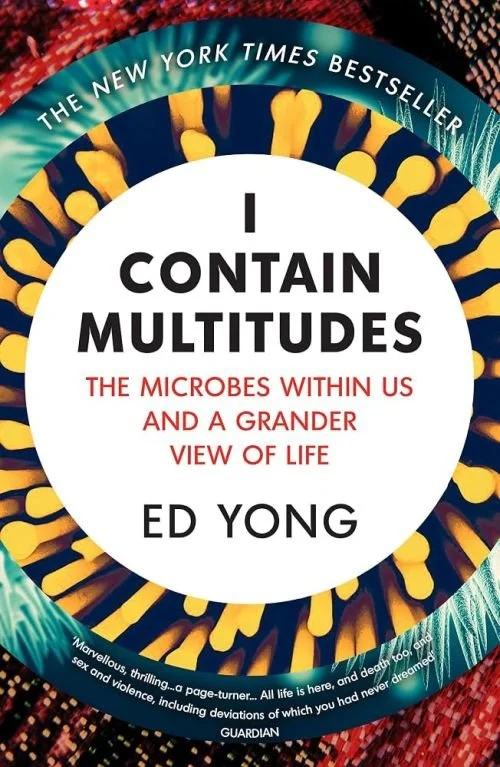
Eight Inspiring Books for A-level Biology Students
Reading pop-science books is enjoyable and also supports your studies. Here are eight books that I recommend, all of which are written to be interesting and entertaining for non-specialists. They bring biology to life and will change the way you think about these topics forever.

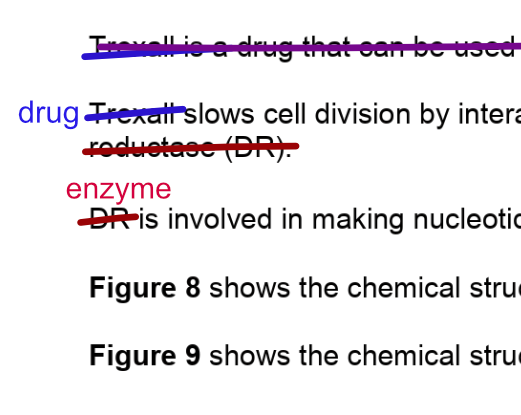
Exam Technique - Simplify the Question
Make the question simpler for yourself. Hide everything that isn’t on the spec. You will need these words later when writing the answer out, but you do NOT need them getting in the way while you work out what the question is really about.

Key Concept: Averages, Range, and Standard Deviation, with A level Biology Past-Paper Questions
You need to know some maths for A level Biology, including to work out whether an experiment can be said to have shown an effect or not. Master this early on and it will not help you with exam questions, but also make it easier for you to learn the bits of the course that are explained using these statistical methods.
Booking now: AQA Y13 A level Biology Group Class - from Sept 2026 to June 2027
Weekly Group classes - for AQA Y13 A level BIology
Raise your exam grade with question focused masterclasses from a highly experienced A level Biology teacher.
Every week we go through a different topic from the specification and look at how to apply the content to exam questions. I show how to understand commonly occurring questions and how to answer them.
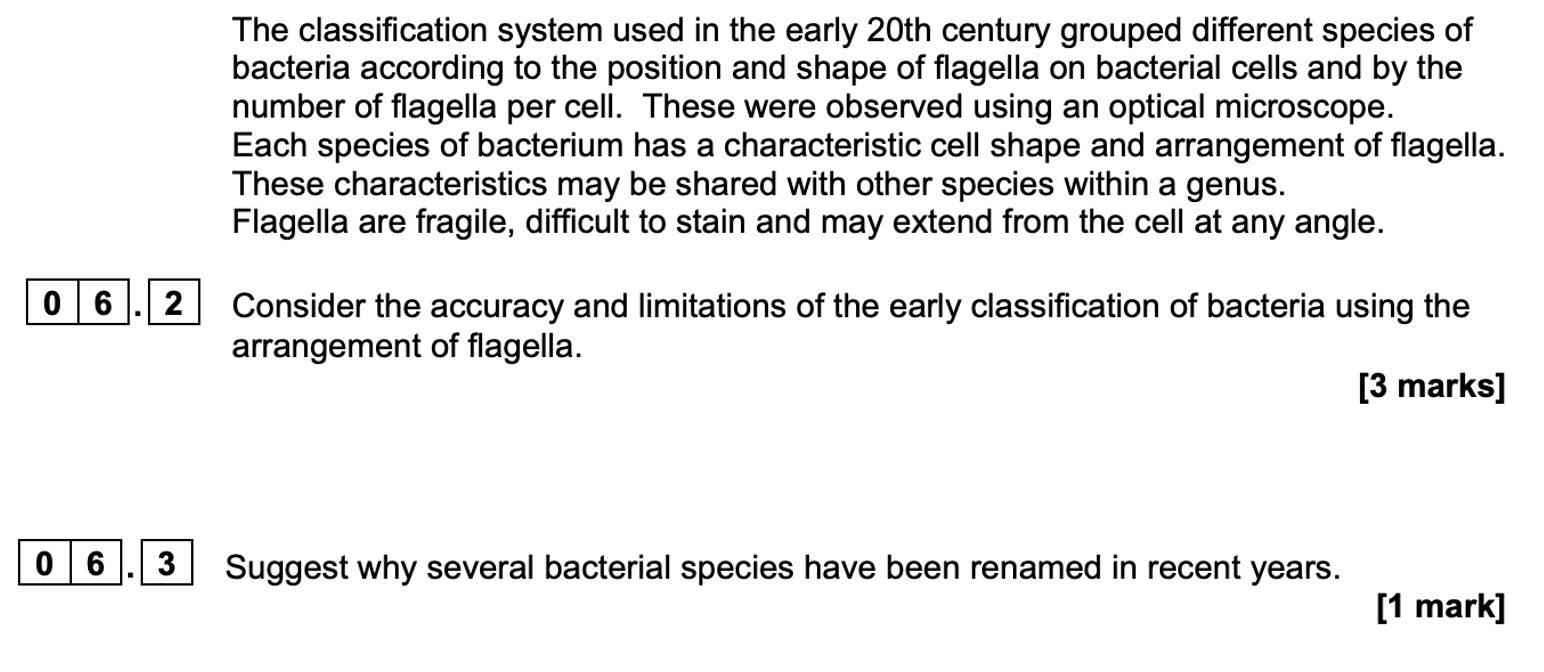
Another "Suggest" AQA exam question walk through
Example 2: Q3 Paper 2 2023
This next question is more complex, and there are two ‘suggest’ questions.
But first - I always recommend you don’t read the actual questions until you’ve looked at the background information, graph etc. Doing this will help you avoid getting overwhelmed and jumping to mistaken conclusions (which is very common in exam situations!).
So let’s keep the questions for later. First make sense of this:
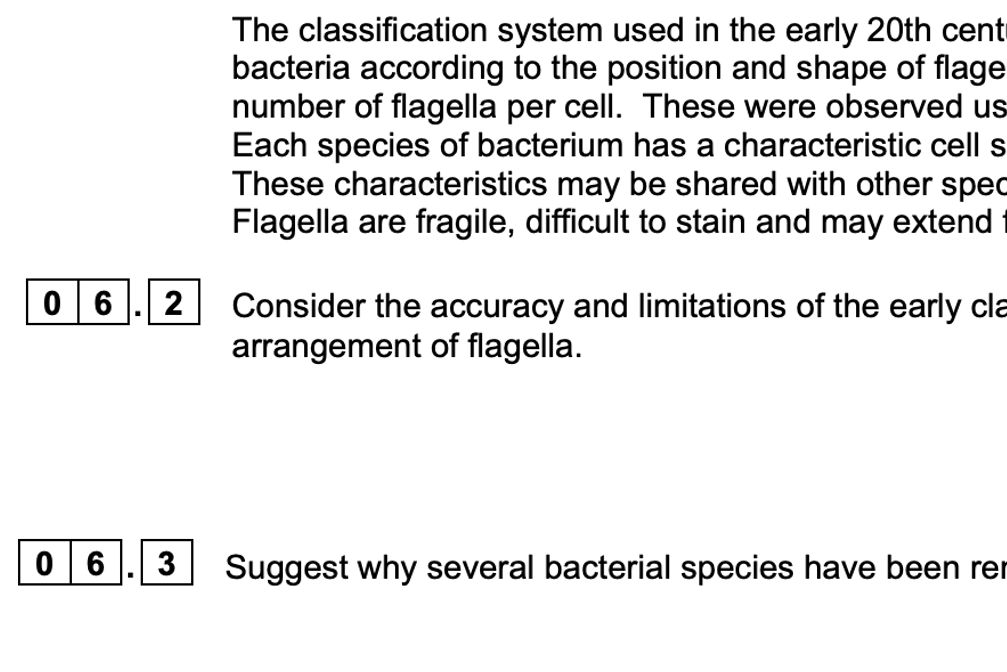
How to answer "Suggest" questions in AQA A level Biology
Command words are important! Step by step guide to how to approach and answer “Suggest” questions for top marks in AQA A level Biology.
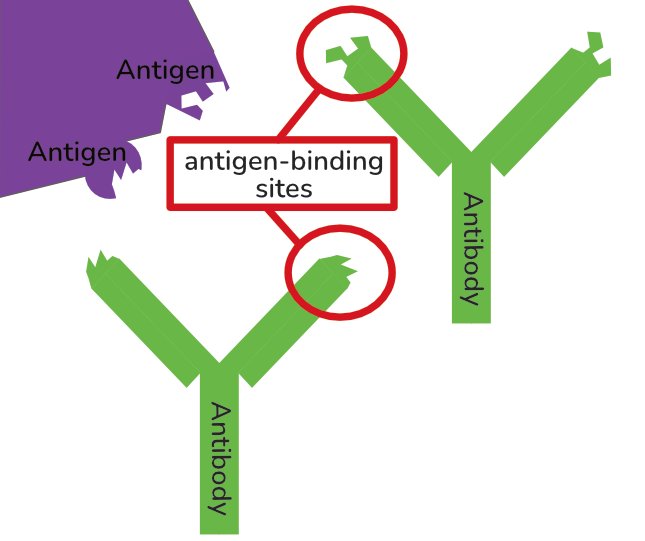
Monoclonal Antibodies in the Immune Response (AQA/OCR, ELISA for AQA)
Monoclonal antibodies are a relatively new treatment type, with huge importance for treating migraine, cancer, autoimmune diseases, and many other conditions.
So how do they work?
What is an Antibody? What is an Antigen?
Booking now: AQA Y12 A level Biology Group class - from Sept 2026 to June 2027
Weekly Group classes - for AQA Y12 A level Biology
Raise your exam grade with question focused masterclasses from a highly experienced A level Biology teacher.
Every week we go through a different topic from the specification and look at how to apply the content to exam questions. I show how to understand commonly occurring questions and how to answer them.

AQA Paper 3 Extended Essay: Tips, Mark Scheme and Past Paper Titles - Updated for 2026
How to answer the AQA A-level Biology Extended Essay, including past paper essay titles

AQA Paper 3 Extended Essay: picking topic areas, past paper titles, and examiners’ guidance
Past paper essay titles and topic areas for A level Biology paper 3, with tips and guidance for how to select the best topic areas for your essay.

More AQA Paper 3 Extended Essay Titles
More past paper essay titles for A level Biology paper 3, with lists of appropriate topic areas for each

Mastering AQA A Level Biology Section 3.4.3: Genetic Diversity via Mutation and Meiosis - Common Questions & Mark Scheme Insights
Mastering AQA A Level Biology Section 3.4.3: Genetic Diversity via Mutation and Meiosis - Common Questions & Mark Scheme Insights
Prior Knowledge Essential for This Topic
Before tackling meiosis and genetic diversity questions, ensure you're confident with:
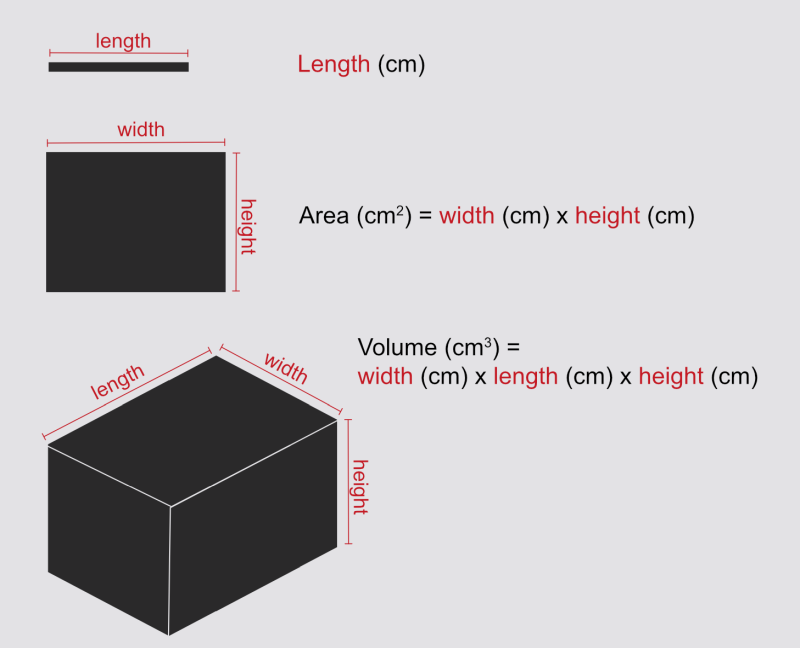
Key Concept: Surface Area to Volume ratio (SA:V)
Surface area to volume ratio (SA:V) is vital for understanding a wide range of topics including transport across cell membranes, gas exchange, digestion, heat exchange, and mass transport. SA:V explains why the inner membrane of a mitochondrion is folded, why elephants have big ears, and why jellyfish don’t need blood vessels.

Mastering AQA A Level Biology Section 3.4.2: DNA and Protein Synthesis - Common Questions & Mark Scheme Insights
After analyzing past papers and mark schemes for AQA specification section 3.4.2 (DNA and Protein Synthesis), I've identified the question types that consistently challenge students. Understanding these patterns and the specific language that mark schemes reward is essential for maximizing your exam performance. Let me guide you through four of the most frequently tested question types with real AQA examples.

Overview: Gaining and Losing Atoms from the Human Body
Many topics in A level biology relate to how the human body gains and loses atoms. But have you ever stepped back and thought of how these processes all fit together? Having a wide overview can help make sense of individual topics.