Starting A-level Biology
I’ve seen a lot of students asking what they can do before entering year 12, or for those crucial first months, to improve their chances of ending up with a top grade.
The most important thing to focus on when you start is to develop a good learning habit. Turn up to every class, pay attention, and build a habit of working outside class. This will have the biggest impact on your final grade.
Here are some articles and blog posts to help you get a great start.
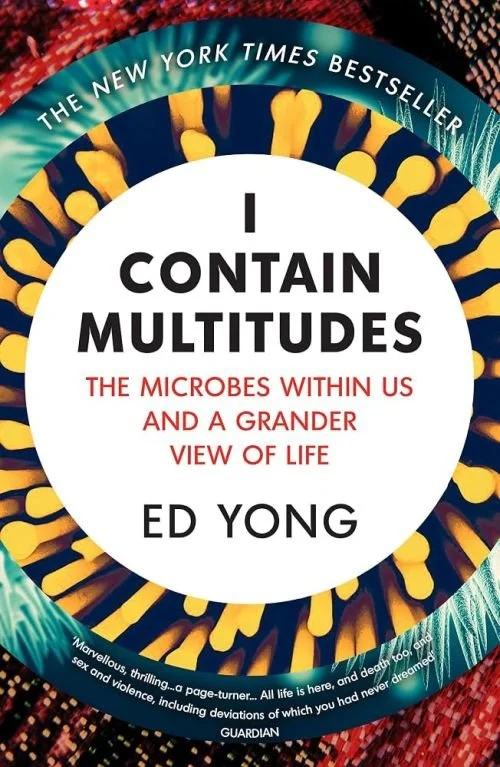
Reading pop-science books is enjoyable and also supports your studies. Here are eight books that I recommend, all of which are written to be interesting and entertaining for non-specialists. They bring biology to life and will change the way you think about these topics forever.
Why do some students excel while others struggle? There are factors far beyond the idea that ‘they are smarter’. Learn how to approach A-level Biology like a top-grade student and boost your grades.
We provide a wide selection of self-marking, multiple-choice quizzes by topic for OCR A and CIE. But how can you use them to best effect?
Here’s a quick guide.
Notes are really important. There’s a lot of chatter online about the best methods for taking notes, but there are also a lot of harmful myths.
What can you best do over the summer to help transition to A level Biology? (It's probably not what you're thinking.)
A simple but effective trick to boost your learning and revision. You just need a little buddy.
You need to know some maths for A level Biology, including to work out whether an experiment can be said to have shown an effect or not. Master this early on and it will not help you with exam questions, but also make it easier for you to learn the bits of the course that are explained using these statistical methods.
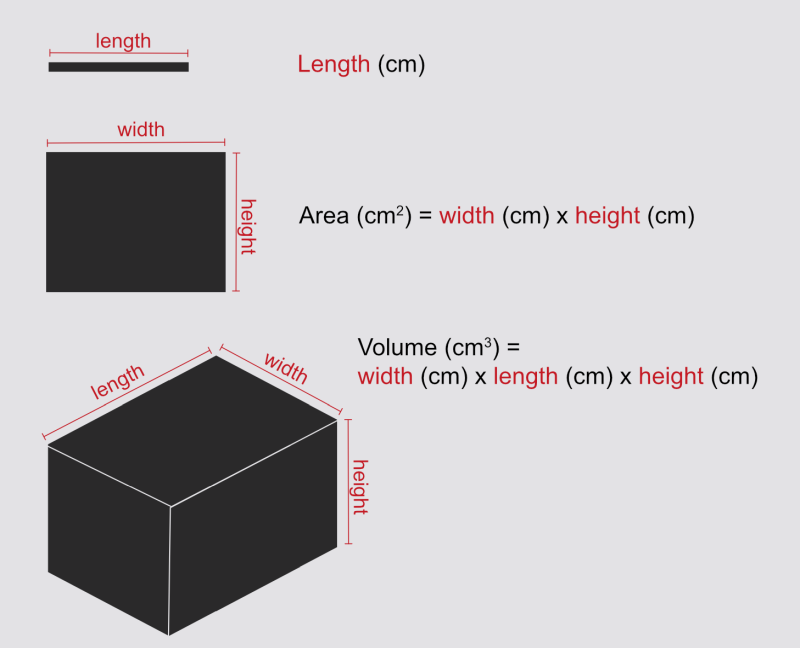
Surface area to volume ratio (SA:V) is vital for understanding a wide range of topics including transport across cell membranes, gas exchange, digestion, heat exchange, and mass transport. SA:V explains why the inner membrane of a mitochondrion is folded, why elephants have big ears, and why jellyfish don’t need blood vessels.
A variable is any value that does/might change during an experiment. Variables can include things like pH, temperature, colour, or the concentration of substances. The amount of time that has passed is a variable, as are rates of reaction.
Your teachers will take you through the course material. Hopefully you’ll be able to follow what they’re saying, and maybe you’ll copy down notes in class and then make flashcards to help you remember these things. But that’s not enough to get a good grade. There are some things you need that teachers don’t tell you – because … well, they can’t. Some things can’t be told.
What does it mean if a molecule is polar or charged? How does it change their behaviour? You’ll get confused in a number of topics if you can’t get this concept straight in your mind, and it’s too easy to lose exam marks by using the wrong term. Make life easier by learning this now.
Don’t despair when you forget something you did previously, you’ve still made progress. Trust the process!
Have you ever listened to a talk where the lecturer explained everything so clearly that following their train of thought was effortless - everything made such perfect sense, and flowed together so well that it was a pleasure to listen to? I’ve been to talks like that, and loved them. I’ve gone home rhapsodising about how I learned so much. And then someone asks “What did you learn”? And - I realise there’s no residue of the talk in my mind. I can remember the experience, but not the information.
Linking concepts makes them easier to understand, easier to remember, and is also necessary for synoptic questions. Turbocharge your learning with this learning strategy.
Understanding and remembering all the information required for A Level Biology is a real challenge. So anything that reduces the workload and overall effort required must be a good thing.
Brains are lazy and will tell you that you know more than you do. How can you tell the difference between something you really know and something you are just familiar with?