Tom Whitburn Tom Whitburn

Stem Cell - Cord blood banking

Some stem cell resources I put together - lots from the always excellent Biological Sciences Review. Good source of information if you are looking for details of science of cord blood stem cells or cord blood banking

Some stem cell resources I put together - lots from the always excellent Biological Sciences Review

Read More
Exam questions, Resource List, Carbohydrates, AQA Tom Whitburn Exam questions, Resource List, Carbohydrates, AQA Tom Whitburn

Carbohydrates, lipids and Food tests - Resources to Test your understanding

Powerpoints, videos and animations, a self marking quiz on lipids and carbohydrates.

Some tips

  • Number the carbons and understand when and how a 1,4 glycosidic bond forms.

  • Why it matters that you can form a 6,1 bond in order to branch a polysaccharide.

  • Why does it matter that polysaccharides are insoluble and mono and di-saccharides are soluble.

  • What is the consequence of Beta glucose forming cellulose

  • Which molecules have a 5 carbon sugar in mammals ?

  • Can you explain why fatty acids are non-polar and what is the consequence for the formation of cell membranes
Powerpoints, videos and animations, a self marking quiz on lipids and carbohydrates.

Some tips

  • Number the carbons and understand when and how a 1,4 glycosidic bond forms.

  • Why it matters that you can form a 6,1 bond in order to branch a polysaccharide.

  • Why does it matter that polysaccharides are insoluble and mono and di-saccharides are soluble.

  • What is the consequence of Beta glucose forming cellulose

  • Which molecules have a 5 carbon sugar in mammals ?

  • Can you explain why fatty acids are non-polar and what is the consequence for the formation of cell membranes

  • Please like and share (and click on a advert to help with the hosting costs !)

Try the self marking quiz below - and remember to like and share

Read More
Exam questions, DNA Tom Whitburn Exam questions, DNA Tom Whitburn

DNA structure and replication - Resources, guides and exam questions

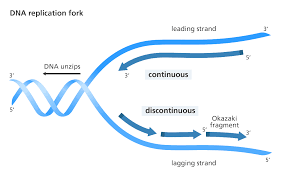
Nucleotide structure and DNA replication, useful resources, animations, powerpoints and exam questions. Meselson and Stahl experiments….

Please like and share (and click on a advert to help with the hosting costs !)

Read More
Exam questions, Resource List, Proteins, Online Quiz Tom Whitburn Exam questions, Resource List, Proteins, Online Quiz Tom Whitburn

Enzymes - Test your Understanding

Multiple choice questions on enzymes, all past paper questions, a good way to assess your understanding

Please like and share (and click on a advert to help with the hosting costs !)

Read More
Exam questions, OCR, Cells, Online Quiz, AQA Tom Whitburn Exam questions, OCR, Cells, Online Quiz, AQA Tom Whitburn

Organelles - Test your understanding

Multiple choice questions on cell organelles, all past paper questions, a good way to assess your understanding

Please like and share (and click on a advert to help with the hosting costs !)

Read More
Exam questions, Respiration, Resource List, AQA Tom Whitburn Exam questions, Respiration, Resource List, AQA Tom Whitburn

Respiration - Test your understanding, tips, resources and a quiz

Oxygen is the final electron acceptor. It oxidises the final carrier in the ETC on the inner mitochondrial membrane and is reduced to water.

Hydrogen ions flow from the inter membrane space into the matrix via ATP synthase, this electrochemical gradient phosphorylates ADP.

Hydrogen ions are pumped from the matrix into the inter membrane space, using the energy from the electrons flowing along the ETC. The electrons come from the oxidation of food, transferred by coenzymes NAD and FAD.

Glycolysis occurs in the cytoplasm. Link and Krebs in the matrix. Link and Krebs produce carbon dioxide by the removal of a carboxyl group.

Fermentation is just glycolysis with a different way of regenerating NAD (from NADH) by the reduction of pyruvate (or ethanal).

Substrate level phosphorylation is the direct addition of phosphate to ADP, occurs in glycolysis (4 ATP) and Krebs (once per turn), chemiosmosis is H ions flowing through ATP synthase.

Cristae give a larger surface area for oxidative phosphorylation

Tips

Oxygen is the final electron acceptor. It oxidises the final carrier in the ETC on the inner mitochondrial membrane and is reduced to water.

Hydrogen ions flow from the inter membrane space into the matrix via ATP synthase, this electrochemical gradient phosphorylates ADP.

Hydrogen ions are pumped from the matrix into the inter membrane space, using the energy from the electrons flowing along the ETC. The electrons come from the oxidation of food, transferred by coenzymes NAD and FAD.

Glycolysis occurs in the cytoplasm. Link and Krebs in the matrix. Link and Krebs produce carbon dioxide by the removal of a carboxyl group.

Fermentation is just glycolysis with a different way of regenerating NAD (from NADH) by the reduction of pyruvate (or ethanal).

Substrate level phosphorylation is the direct addition of phosphate to ADP, occurs in glycolysis (4 ATP) and Krebs (once per turn), chemiosmosis is H ions flowing through ATP synthase.

Cristae give a larger surface area for oxidative phosphorylation

Please like and share (and click on a advert to help with the hosting costs !)

Read More
Resource List, Exam questions, Photosynthesis, AQA Tom Whitburn Resource List, Exam questions, Photosynthesis, AQA Tom Whitburn

Photosynthesis Tips - Notes, videos, powerpoints and a pack of long questions

Powerpoints and notes, a pack of long data analysis exam questions and a test on photosynthesis

Tips for Photosynthesis

LDR - occurs on the thylakoid membranes. Limiting factor is light intensity

  • Phosphorylates ADP (through chemiosmosis) - creates the Hydrogen ion gradient by the flow of electrons along the ETC in the thylakoid membrane. The flow of electrons is driven by the capturing of light by a range of different pigments which channel the energy to a chl a molecule at the reaction centre of the photosystem - which then loses an electron.

  • Reduces NADP with an electron from splitting water (photolysis) at PSII.

Light Independent Reaction (reduction of carbon dioxide) - occurs in the stroma (the cytoplasm of the chloroplast).

  • Limited by speed and quantity of RUBISCO enzyme (kinetic energy - temperature) and substrate concentration (Carbon dioxide)

  • Needs the products of the LDR - ATP and NADPH

  • NADPH and ATP are used to regenerate RUBP

  • Each time the Calvin cycle turns, a single Carbon is reduced. 3 turns - one extra Triose Phosphate. 6 turns - 2 extra TP = 1 extra glucose.

  • TP is the source of all of the carbon in all plants (and hence in all heterotrophes) - Amino acids, DNA, RNA, phospholipids etc

Powerpoints and notes, a pack of long data analysis exam questions and a test on photosynthesis

Please like and share

Tips for Photosynthesis

Light Dependent Reactions - occurs on the thylakoid membranes. Limiting factor is light intensity

  • Phosphorylates ADP (through chemiosmosis) - creates the Hydrogen ion gradient by the flow of electrons along the ETC in the thylakoid membrane. The flow of electrons is driven by the capturing of light by a range of different pigments which channel the energy to a chl a molecule at the reaction centre of the photosystem - which then loses an electron.

  • Reduces NADP with an electron from splitting water (photolysis) at PSII.

Light Independent Reaction (reduction of carbon dioxide) - occurs in the stroma (the cytoplasm of the chloroplast).

  • Limited by speed and quantity of RUBISCO enzyme (kinetic energy - temperature) and substrate concentration (Carbon dioxide)

  • Needs the products of the LDR - ATP and NADPH

  • NADPH and ATP are used to regenerate RUBP

  • Each time the Calvin cycle turns, a single Carbon is reduced. 3 turns - one extra Triose Phosphate. 6 turns - 2 extra TP = 1 extra glucose.

  • TP is the source of all of the carbon in all plants (and hence in all heterotrophes) - Amino acids, DNA, RNA, phospholipids etc

Read More
Exam questions, Photosynthesis Tom Whitburn Exam questions, Photosynthesis Tom Whitburn

Understanding Photosynthesis - Tips, Videos, PowerPoints and Pack of Exam Questions with Markscheme

Understanding Photosynthesis - Tips, Videos, PowerPoints and Pack of Exam Questions with Markscheme

if you use then like and share

Photosynthesis is a challenge - I suggest you start with Calvin cycle and then think about the purpose of the LDR in producing the NADPH and the ATP required to regenerate the RuBP.

Calvin Cycle amazing animation

Light Dependent Reactions - amazing animation

Please like and share (and click on a advert to help with the hosting costs !)

Summary Block
This block has no content yet. Items you add to the page connected to this block will display here.
Read More