

Craving Control: How Food Messes with Your Mind looks at why the urge to eat is harder to control than we think. It describes a hunger system run by hormones and a reward system run by dopamine, how gut bacteria may steer our food preferences, plans to engineer gut bacteria to fight obesity, and research into how microbes affect the brain. This was the scientific article for the June 2018 A level Paper 3 (9BN0/03), and the article question was worth about 30 marks. Its parts test biology from across the specification, including synapses and neurotransmitters, epigenetics, genetic modification, the specific immune response and the structure of bacteria and viruses. Read the article (linked just below) before you try the questions: each part quotes a paragraph and asks you to link it to your own knowledge.
The examiners found that many answers had the right ideas but lacked precision. Describe what is actually released or moves: the hormone leaves the cell by exocytosis, and sodium ions move into the post-synaptic neurone. Several parts needed a point followed through, such as what a changed microbiome does to cravings, or why targeted drugs mean a smaller dose. Read the wording closely: the immune question was about bacterial molecules, not whole bacteria, and the comparison was with HIV, not viruses in general. When asked for two reasons, give two, and when asked to compare and contrast, include a similarity.
Studying Edexcel SNAB and want more help? If you'd like to arrange one-to-one Edexcel tutoring, or to register your interest in an Edexcel group class, message Tom on WhatsApp using the link at the bottom of this page.
Read the article first: Craving Control: How Food Messes with Your Mind (June 2018). It is the June 2018 Paper 3 question paper (PDF); the article is printed at the back.
What you need first
Each question on this page assumes you're secure on these ideas. If any of them feels shaky, look it up before you start.
- Hormones are carried in the blood; proteins are secreted from cells in vesicles.
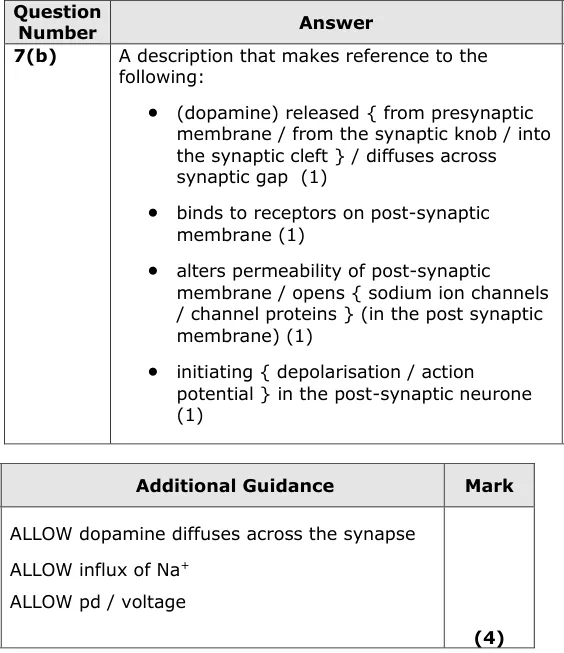
- A nerve impulse crosses a synapse when a neurotransmitter is released and binds to receptors on the post-synaptic membrane.
- The specific immune response involves antigen-presenting cells, T helper cells, B cells and antibodies.
- Genes can be inserted into bacterial plasmids to make recombinant DNA.
Key terms
These words come up in the article, the questions and the mark schemes. Examiners expect you to use them exactly.
- Dopamine: a neurotransmitter used in the brain's reward pathway.
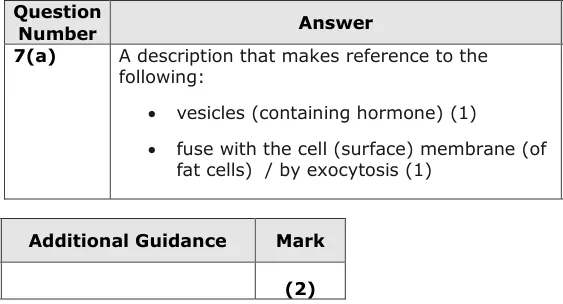
- Exocytosis: release of substances such as hormones from a cell when vesicles fuse with the cell surface membrane.
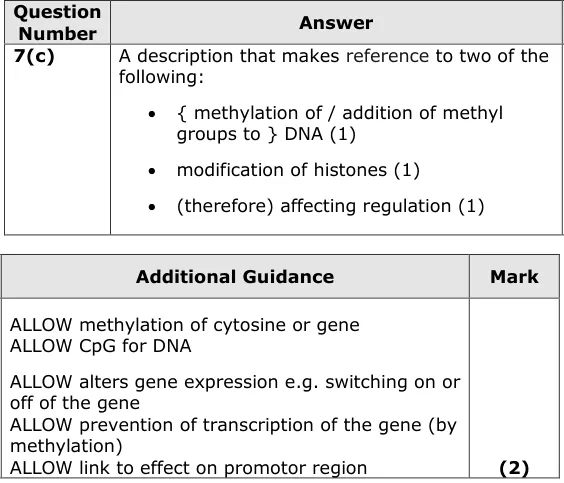
- Epigenetic change: a change in gene expression without a change in base sequence, such as DNA methylation or histone modification.
- Microbiome: the community of microorganisms living in or on the body, such as the gut flora.
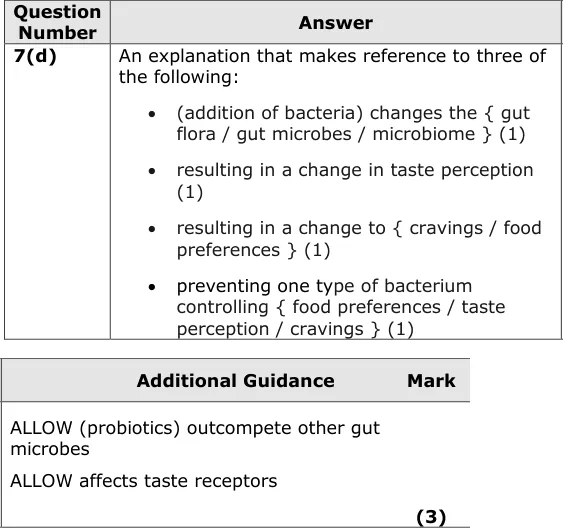
- Probiotic: live bacteria taken for health benefits, which can change the composition of the gut microbiome.
- Restriction endonuclease: an enzyme that cuts DNA at a specific sequence, often leaving sticky ends.
- Antigen-presenting cell: a cell, such as a macrophage, that displays a foreign antigen on its surface to T helper cells.
- Peer review: evaluation of a scientific paper by other scientists before it is published in a journal.
What these questions cover
The article questions draw on biology from across the specification. These are the statements of the Pearson Edexcel A level Biology A (Salters-Nuffield) specification (9BN0) that they test.
- 1.11ii Understand the consequences of energy imbalance, including weight loss, weight gain, and development of obesity.
- 2.4i Understand what is meant by passive transport (diffusion, facilitated diffusion), active transport (including the role of ATP as an immediate source of energy), endocytos
- 3.13 Understand how the cells of multicellular organisms are organised into tissues, tissues into organs and organs into systems.
- 3.14ii Know how epigenetic changes, including DNA methylation and histone modification, can modify the activation of certain genes.
- 5.18 Understand the role of the scientific community (scientific journals, the peer review process, scientific conferences) in validating new evidence, including proteomics an
- 6.5 Be able to compare the structure of bacteria and viruses.
- 6.8 Understand the roles of antigens and antibodies in the body’s immune response including the involvement of plasma cells, macrophages and antigen-presenting cells.
- 6.11ii Understand the role of barriers in protecting the body from infection, including skin, stomach acid, and gut and skin flora.
- 8.4 Know the structure and function of synapses in nerve impulse transmission, including the role of neurotransmitters, including acetylcholine.
- 8.17 Know how drugs can be produced using genetically modified organisms (plants, animals and microorganisms).
How to use this page
Write your answer on paper before you open the mark scheme. Allow about 1.2 minutes per mark: the 12 questions are worth 30 marks, so about 36 minutes in total. Then mark your answer strictly against the mark scheme and read the examiners' tip underneath it. If you'd rather print the questions, download the PDF pack.
Hormones and dopamine (paragraphs 6–7)
Question 1
A level Paper 3 · June 2018 · Q7(a) · 2 marks
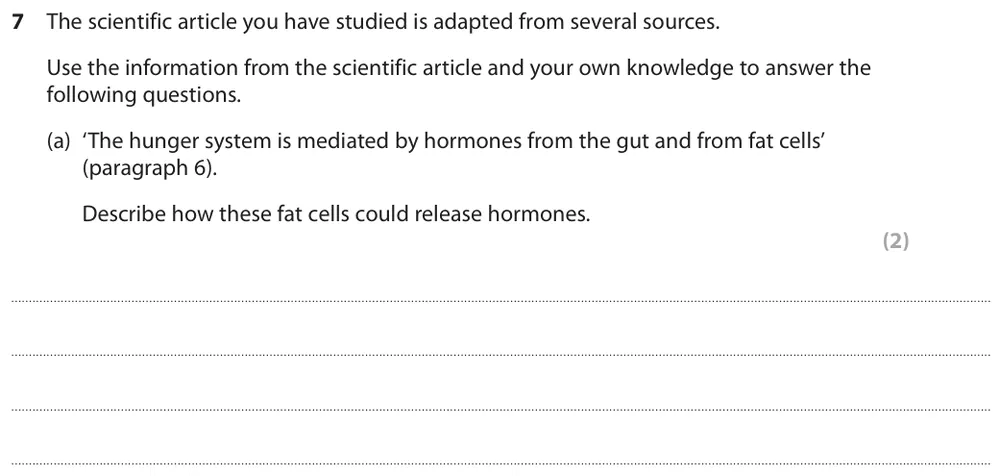
Describe how fat cells could release hormones.
Show the mark scheme
Tap an image to open it full size.
From the examiners' report: Describe exocytosis: vesicles containing the hormone fuse with the cell surface membrane. Make it clear that the hormone, not the vesicle, is released.
Question 2
A level Paper 3 · June 2018 · Q7(b) · 4 marks
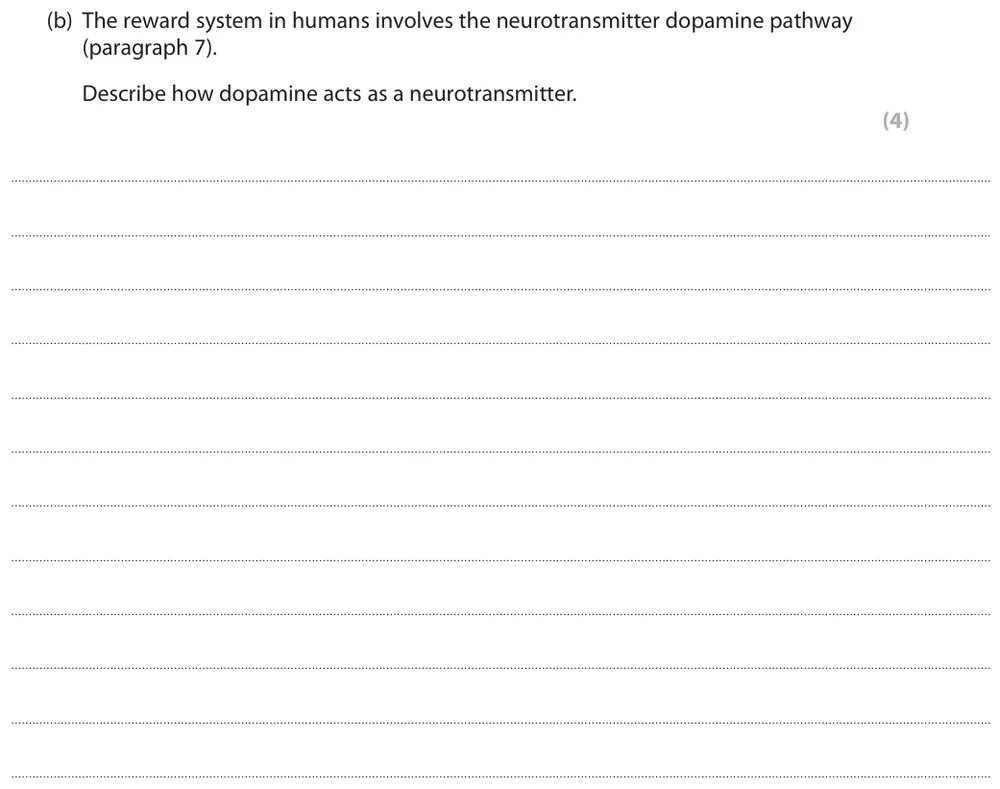
Describe how dopamine acts as a neurotransmitter.
Show the mark scheme
Tap an image to open it full size.
From the examiners' report: Many missed a stage or were not precise enough. Say the dopamine diffuses across the synaptic cleft, binds to receptors on the post-synaptic membrane, and opens sodium ion channels so sodium ions move into the post-synaptic neurone, causing depolarisation.
Epigenetics and gut microbes (paragraphs 9–20)
Question 3
A level Paper 3 · June 2018 · Q7(c) · 2 marks
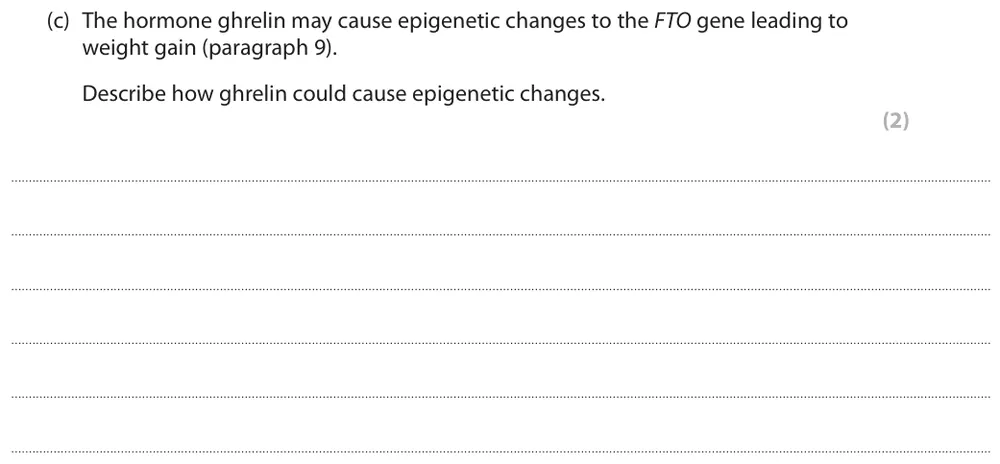
Describe how ghrelin could cause epigenetic changes.
Show the mark scheme
Tap an image to open it full size.
From the examiners' report: A good percentage named the two epigenetic changes, DNA methylation and histone modification, and their effect on transcription of the gene.
Question 4
A level Paper 3 · June 2018 · Q7(d) · 3 marks
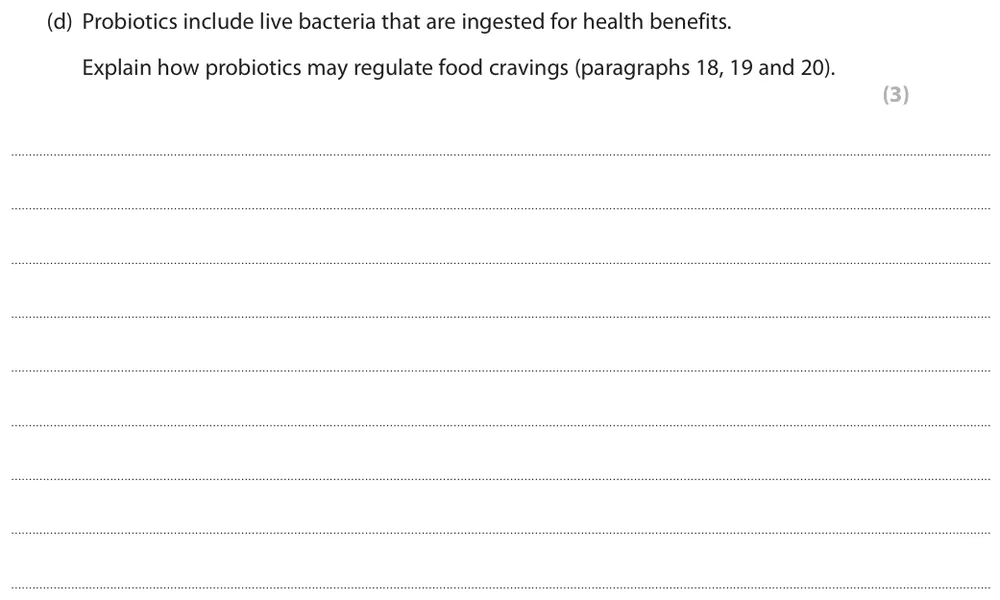
Explain how probiotics may regulate food cravings.
Show the mark scheme
Tap an image to open it full size.
From the examiners' report: A sizeable proportion said probiotics change the composition of the microbiome, but fewer followed this through: the change affects taste perception, and so changes cravings or food preferences.
Engineering bacteria against obesity (paragraphs 26–28)
Question 5
A level Paper 3 · June 2018 · Q7(e) · 4 marks
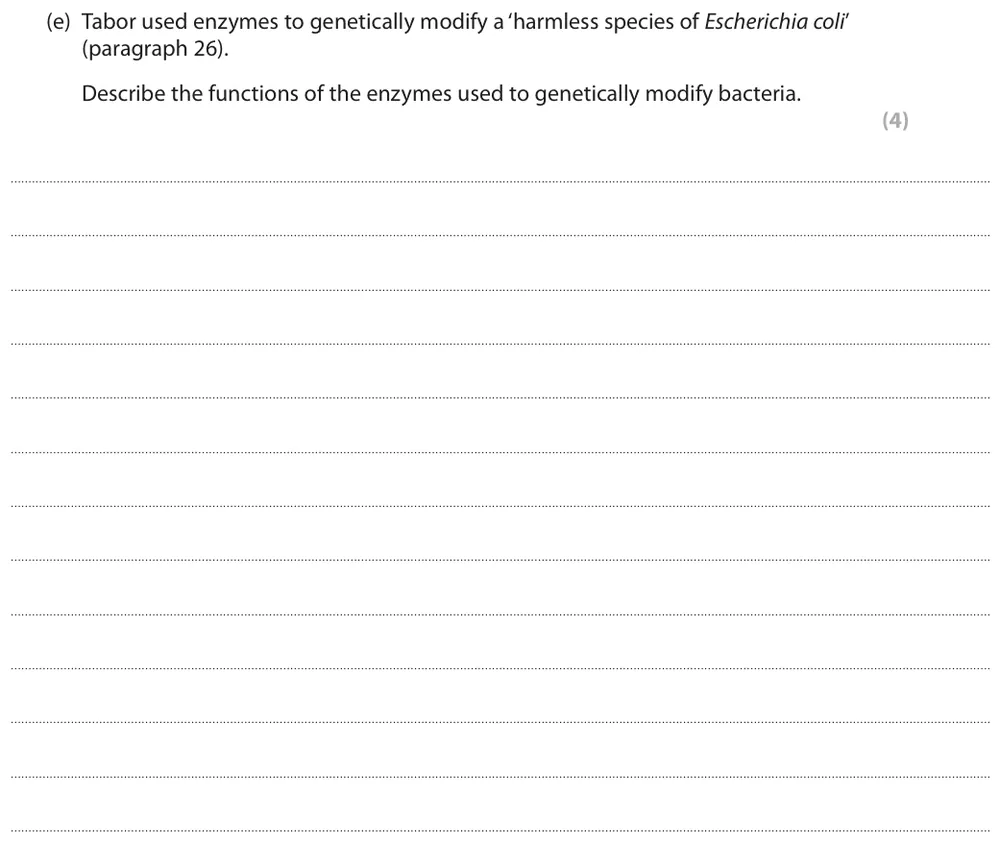
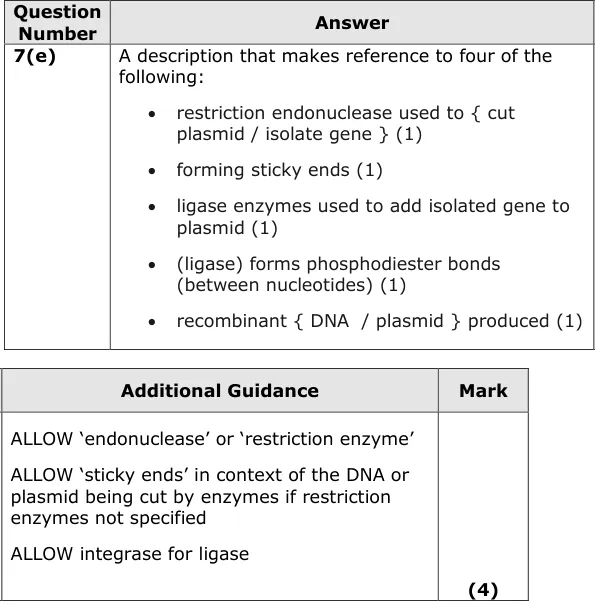
Describe the functions of the enzymes used to genetically modify bacteria.
Show the mark scheme
Tap an image to open it full size.
From the examiners' report: Most lacked the detail for more than one mark. Describe both enzymes: restriction endonucleases cut the plasmid or isolate the gene, forming sticky ends, and ligase forms phosphodiester bonds to produce recombinant DNA.
Question 6
A level Paper 3 · June 2018 · Q7(f) · 1 mark
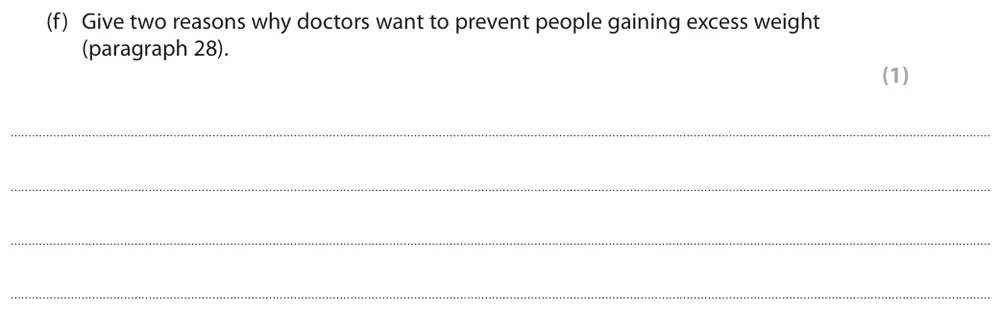
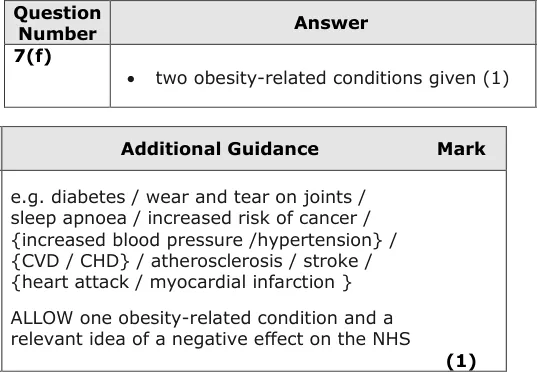
Give two reasons why doctors want to prevent people gaining excess weight.
Show the mark scheme
Tap an image to open it full size.
From the examiners' report: A significant minority gave only one reason or a long list. Give two obesity-related conditions, such as diabetes and hypertension; there is no need for more.
Immunity and targeted drugs (paragraphs 32–34)
Question 7
A level Paper 3 · June 2018 · Q7(g) · 4 marks
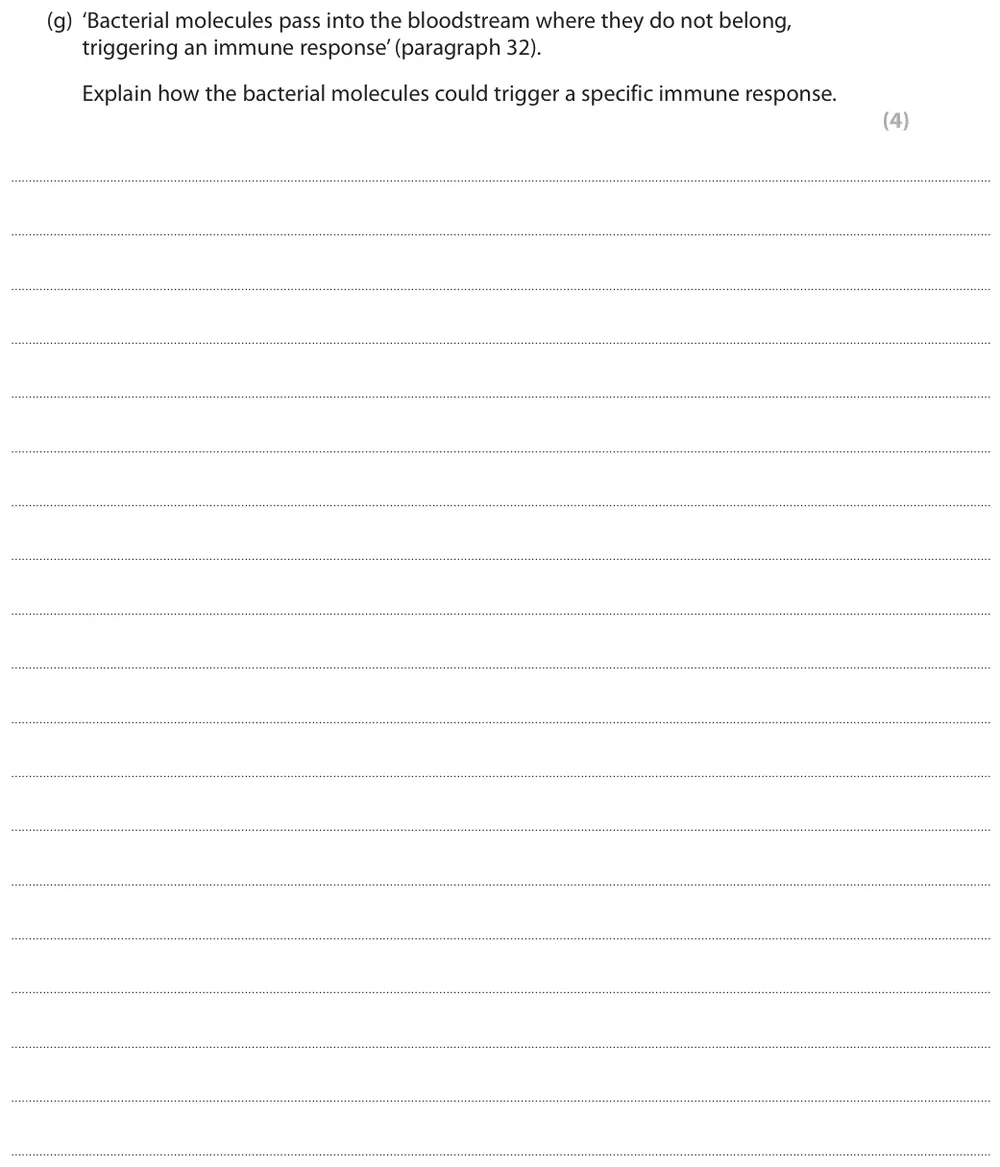
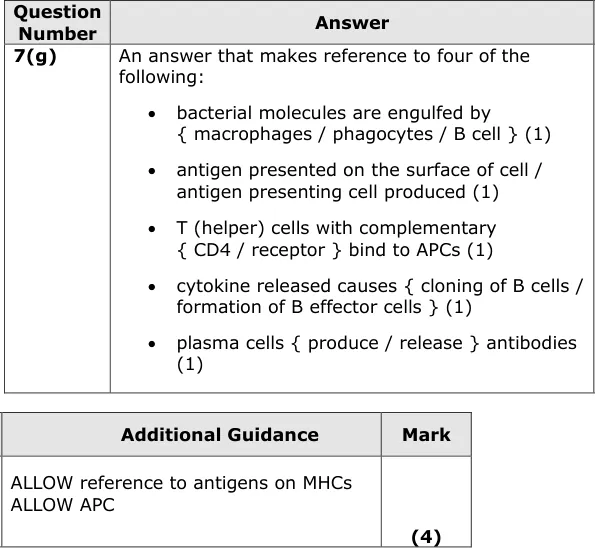
Explain how bacterial molecules in the blood could trigger a specific immune response.
Show the mark scheme
Tap an image to open it full size.
From the examiners' report: Most did not notice the question was about bacterial molecules, not whole bacteria, being engulfed. Be precise: T helper cells have complementary receptors, and plasma cells (not plasma) produce antibodies.
Question 8
A level Paper 3 · June 2018 · Q7(h) · 2 marks
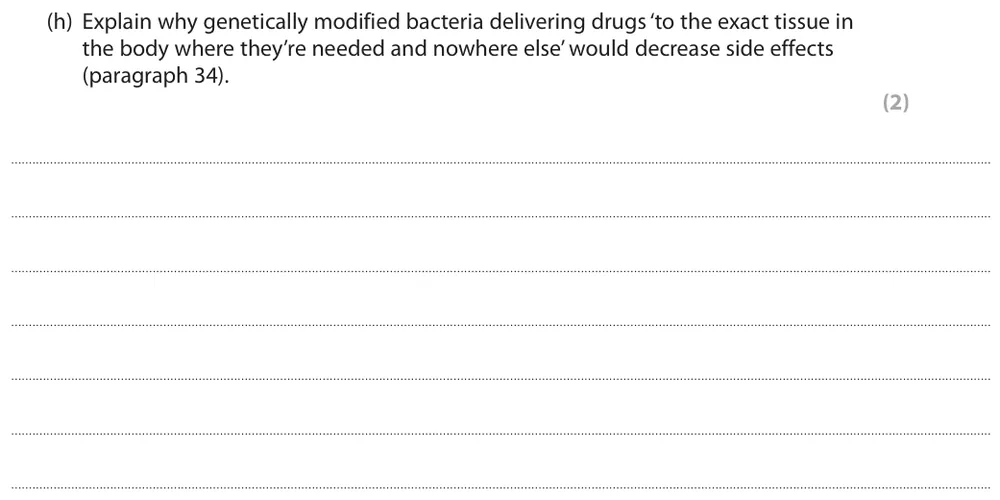
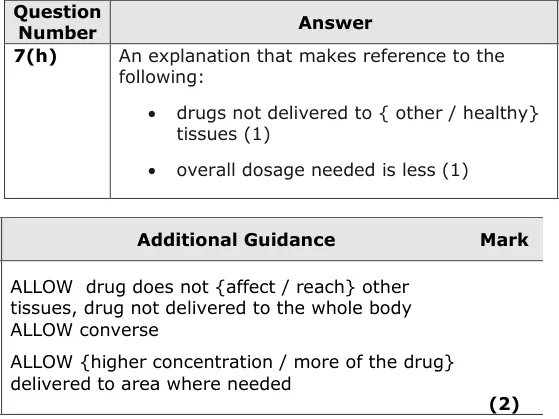
Explain why GM bacteria delivering drugs only to the tissue where they are needed would decrease side effects.
Show the mark scheme
Tap an image to open it full size.
From the examiners' report: Most said the drug does not reach other tissues, but only a few added that the overall dose needed is smaller.
Skin flora and organs (paragraph 40)
Question 9
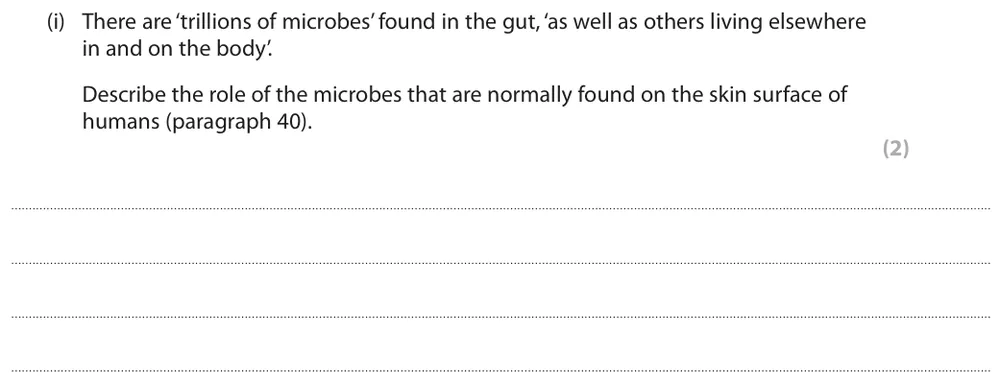
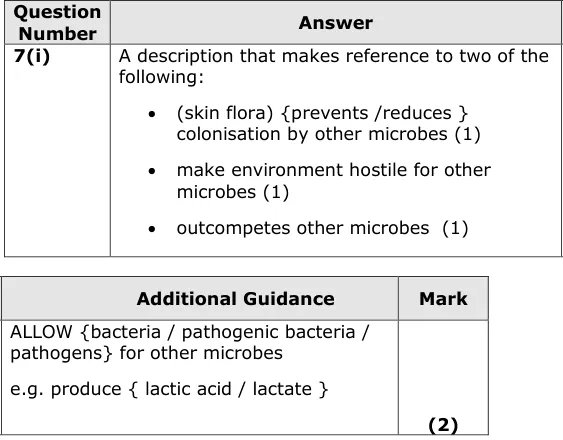
A level Paper 3 · June 2018 · Q7(i) · 2 marks
Describe the role of the microbes normally found on the skin surface.
Show the mark scheme
Tap an image to open it full size.
From the examiners' report: Many had a good understanding and all three marking points were seen: skin flora prevent colonisation by other microbes, make the environment hostile, for example by producing lactic acid, and outcompete other microbes.
Question 10
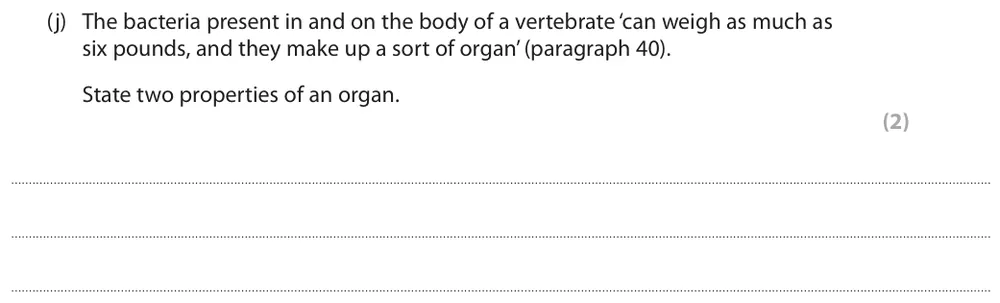
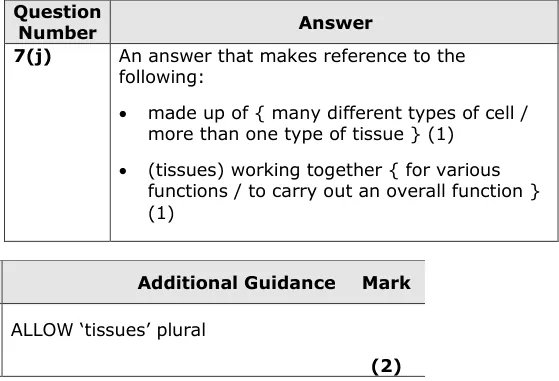
A level Paper 3 · June 2018 · Q7(j) · 2 marks
State two properties of an organ.
Show the mark scheme
Tap an image to open it full size.
From the examiners' report: Most gained both marks, but some lost the first through lack of precision: an organ is made of more than one type of tissue, working together to carry out a function.
Bacteria, HIV and peer review (paragraphs 49–58)
Question 11
A level Paper 3 · June 2018 · Q7(k) · 3 marks
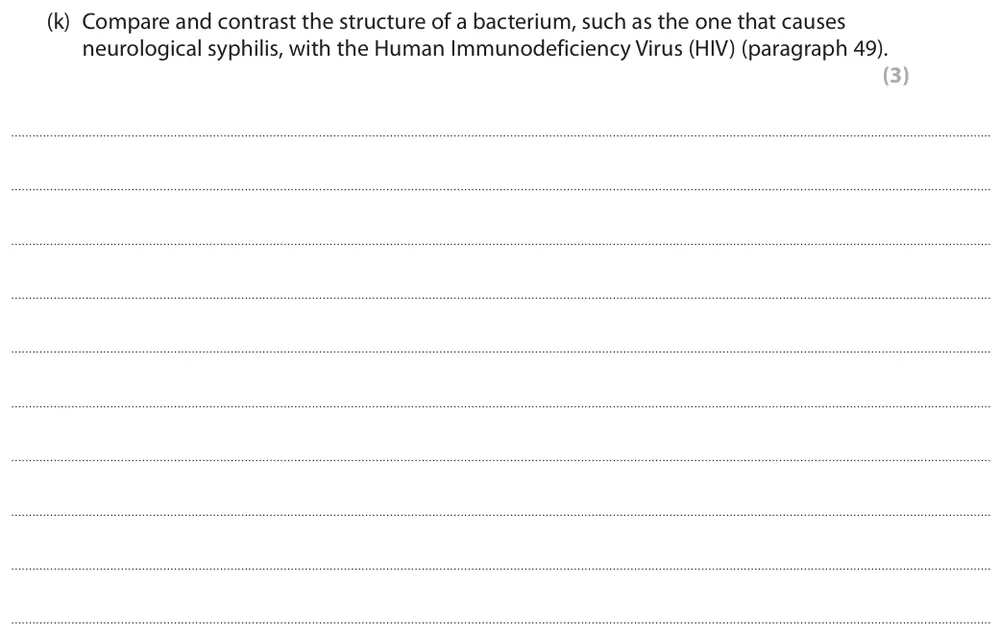
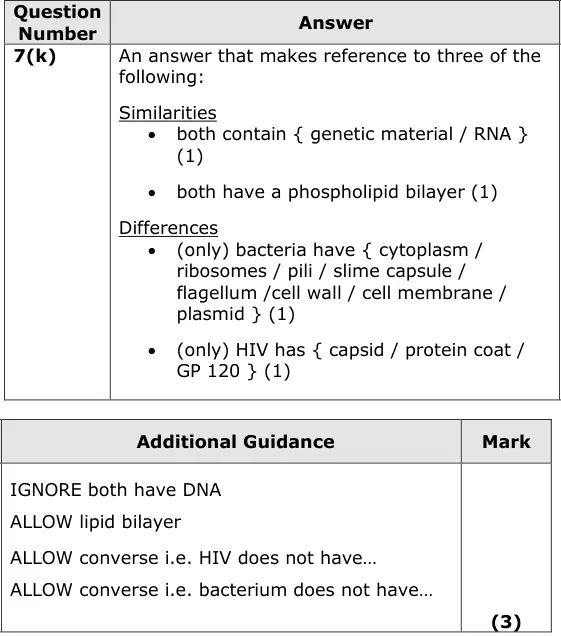
Compare and contrast the structure of a bacterium with HIV.
Show the mark scheme
Tap an image to open it full size.
From the examiners' report: Most gave differences but few gave a similarity, such as both containing RNA or a phospholipid bilayer. The question was about HIV, not viruses in general, and capsid is not the same as capsule.
Question 12
A level Paper 3 · June 2018 · Q7(l) · 1 mark
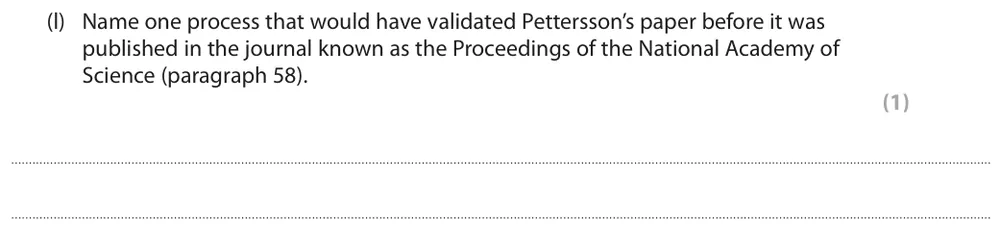
Name one process that would have validated a scientific paper before publication.
Show the mark scheme

Tap an image to open it full size.
From the examiners' report: Most gained this mark. Some wrote peer assessment instead of peer review, or a scientific conference.
Where students lose marks (from Pearson examiners' reports and mark schemes)
Each point below comes from the examiners' report and mark scheme, and is followed by wording that gained marks.
The hormone leaves, not the vesicle. Descriptions of exocytosis were not credited unless it was clear that the hormone, not the vesicle, was released.
✔ Gains credit: 'Vesicles containing hormone fuse with the cell surface membrane, by exocytosis.'
Say which way the sodium ions go. Answers referred to sodium channels opening, or to sodium ions moving, without enough precision.
✔ Gains credit: 'Binds to receptors on the post-synaptic membrane, opens sodium ion channels, initiating depolarisation in the post-synaptic neurone.'
Follow the microbiome change through to cravings. Fewer candidates went on from a change in the microbiome to its effect on food preferences.
✔ Gains credit: 'Changes the gut microbes, resulting in a change in taste perception and a change to cravings.'
Describe both enzymes in genetic modification. Most lacked the detail to gain more than one mark.
✔ Gains credit: 'Restriction endonuclease cuts the plasmid, forming sticky ends; ligase forms phosphodiester bonds, producing a recombinant plasmid.'
Two reasons means two. A significant minority gave only one reason, or a long list.
✔ Gains credit: 'Diabetes' and 'increased blood pressure'.
Molecules are engulfed, not whole bacteria. The majority did not notice the question was about bacterial molecules, and some wrote that plasma produces antibodies.
✔ Gains credit: 'Bacterial molecules are engulfed by macrophages; antigen is presented on the surface; plasma cells produce antibodies.'
Targeted drugs need a smaller dose. Only a few went beyond the drug not reaching other tissues.
✔ Gains credit: 'Drug not delivered to healthy tissues, so the overall dosage needed is less.'
HIV, not viruses in general. Candidates wrote that viruses have RNA or DNA, confused capsid with capsule, and rarely gave a similarity.
✔ Gains credit: 'Both contain RNA; both have a phospholipid bilayer; only HIV has a capsid.'
Download the questions
Download the PDF pack (12 questions, mark schemes at the end)
Keep practising
- Read the June 2018 scientific article: Craving Control: How Food Messes with Your Mind
- How the Edexcel SNAB Paper 3 scientific article works, and what examiners want
- Edexcel SNAB A level Biology revision resources by topic
- The Energy of Life (June 2017 Paper 3 Scientific Article): Edexcel SNAB A Level Biology Exam Questions
- From Organoids to Gastruloids (June 2019 Paper 3 Scientific Article): Edexcel SNAB A Level Biology Exam Questions
- All Edexcel SNAB exam questions by topic
- Edexcel SNAB A level Biology past papers, mark schemes and examiners' reports
- Edexcel SNAB A level Biology grade boundaries
- Message Tom on WhatsApp about one-to-one Edexcel SNAB tutoring or an Edexcel group class
Questions, mark schemes and examiners' report extracts © Pearson Education Ltd.