

A level Biology Quiz collection (by topic)
Testing yourself with a multi-choice quiz is a great way to discover where you need to focus your revision
Start by reading: Five Top Tips for Studying using Topic Quizzes
Each quiz in the collection has a collection of multiple choice exam questions by topic, all from real past papers (OCR A and CIE). They are self-marking so you can quickly see how well you did.
Browse the most-recent additions below or see the full list of quizzes.
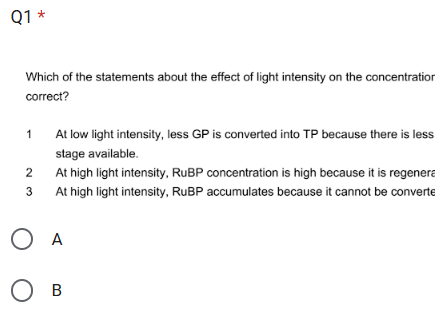
Self-marking multiple choice quiz for Photosynthesis. Using OCR A past paper exam questions.
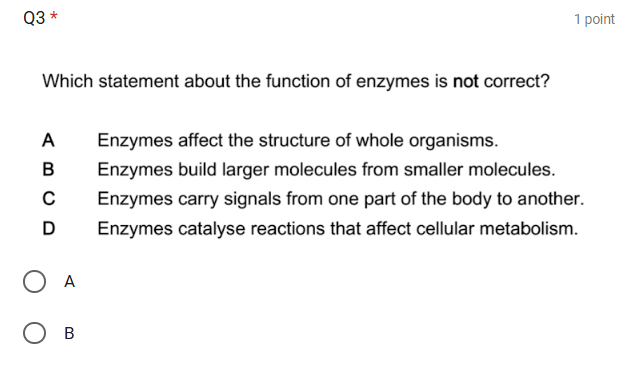
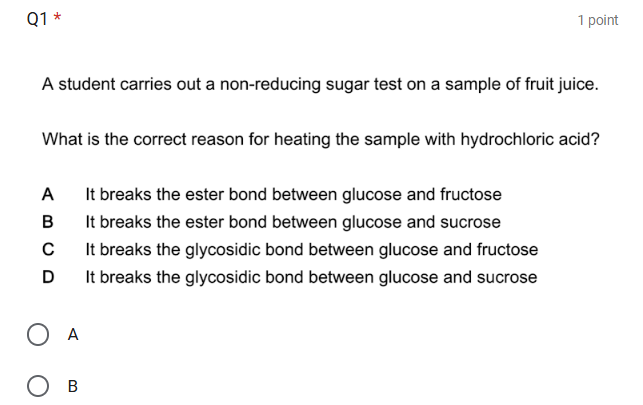
Self-marking multiple choice quiz for Food Tests and Chromatography. Using OCR A past paper exam questions.
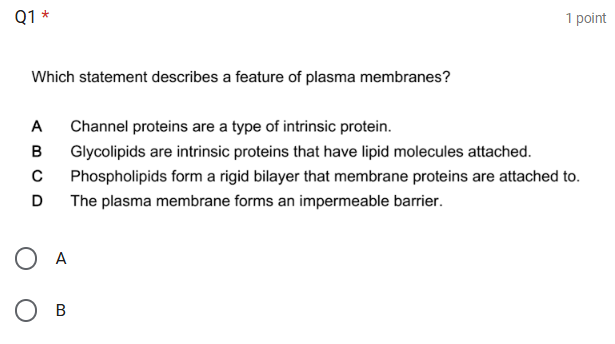
Self-marking multiple choice quiz for Phospholipids, Lipids, and Cholesterol. Using OCR A past paper exam questions.
Self marking quiz for revision of OCR A Level Biology A Biological Diversity H420/02 - June 2024
Self marking quiz for revision of OCR A Level Biology A Biological Processes H420 01 - June 2024

Self marking quiz for revision of OCR A Level Biology A Biological Diversity H420/02 - June 2023
Self marking quiz for revision of OCR A Level Biology A Biological Processes H420 01 - June 2023


Self marking quiz for revision of OCR A Level Biology A Biological Processes H420 01 - June 2022

Self marking quiz for revision of OCR A Level Biology A Biological Diversity H420/02 - June 2022




Self marking quiz for revision of OCR A Level Biology A Biological Diversity H420/02 - Nov 2021




Self marking quiz for revision of OCR A Level Biology A Biological Processes H420 01 - Nov 2021


Practising recall and doing questions is so important for long term retention of information. Try this self marked quiz. OCR A Cell Membranes

Practising recall and doing questions is so important for long term retention of information. Try this self marked quiz. OCR A Animal Transport.


CIE Tissue Fluid and structure and function of blood vessels - 20 Multiple Choice Questions

CIE 9700 A level Biology Infectious Diseases - Pathogens and Transmission, 20 Multiple Choice Questions

CIE A level Biology 9700 Carriage of Oxygen and Carbon Dioxide - 20 Multiple Choice Questions


CIE 9700 A level Biology - Replication and Division of nuclei and cells 5.1 - 20 Multiple Choice Questions


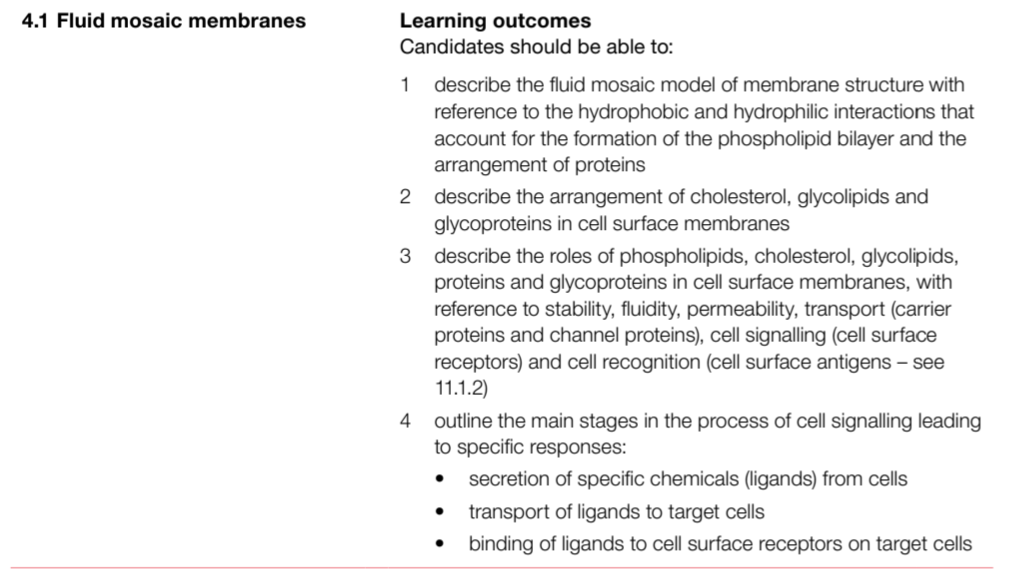

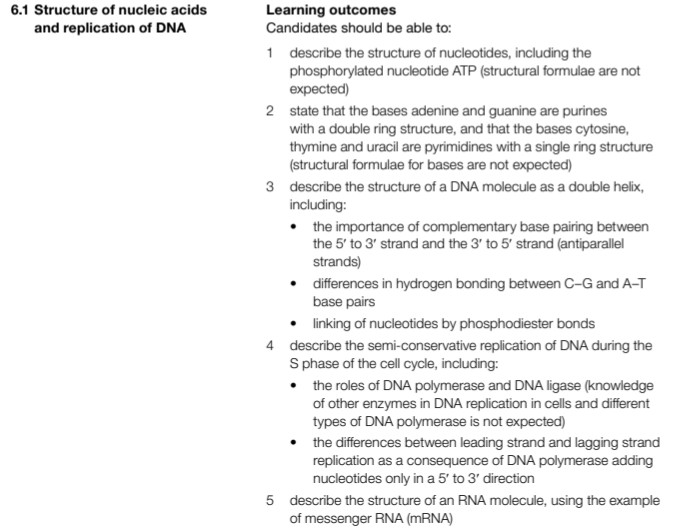
20 Self marking Multiple choice questions for CIE A level Biology 9700 - Nucleic acids 6.1
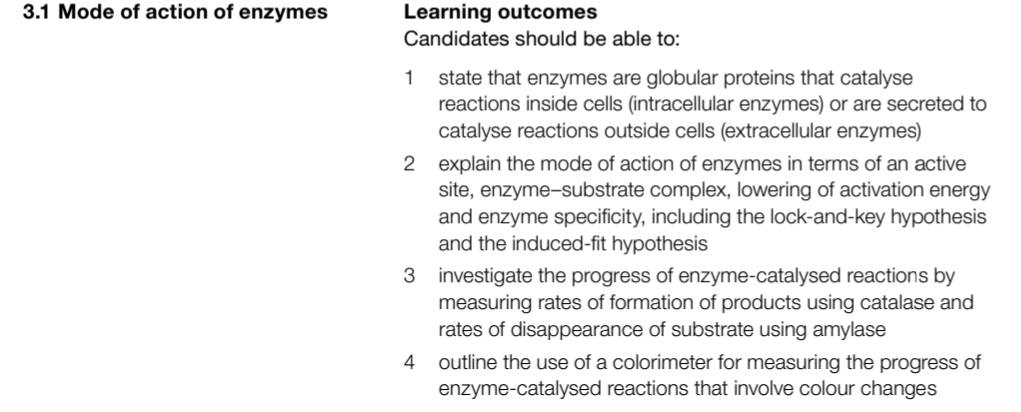
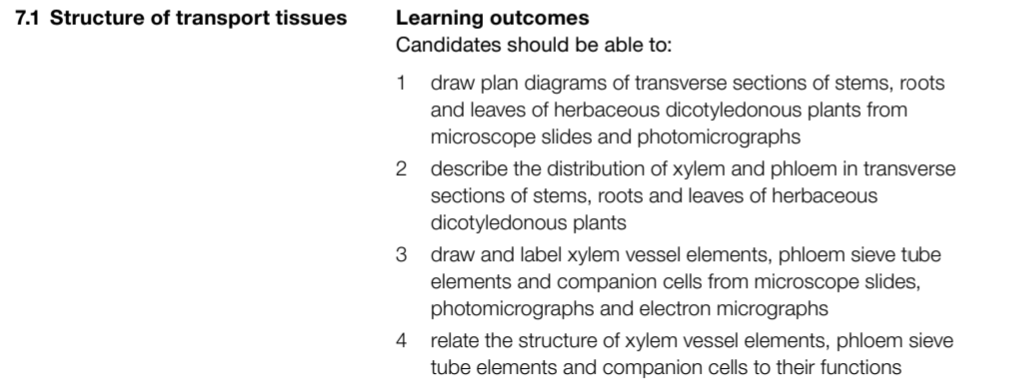
20 Self marking Multiple choice questions for CIE A level Biology 9700 - Plant transport 7.1/7.2
CIE A level Biology 9700- Transport in Mammals 8.1 , 20 self marking multiple choice questions

Looking for a topic? Use the search box to find all resources for that topic, including quizzes.
Full resource collections by specification:
• AQA A level Biology resources - including past paper exam questions by topic, exam tips and more
• OCR A A level Biology resources - including self-marking quizzes, past paper exam questions, exam tips and more
• CIE A level Biology resources - including self-marking quizzes, past paper exam questions, exam tips and more
Testing yourself using real Biology A level exam questions is a valuable technique. Just make sure you get the best out of them by taking time to do your best effort. Don’t use reference materials - force your brain to practice recall. Be aware that repeating a quiz will be less effective if you are just remembering the answer from last time; use them with care to get the biggest impact you can. Study the topic first, then use the quizes to help you identify any gaps in your ability to recall information.
But what if you get some answers wrong? Don’t worry, this is good! a wrong answer helps you identify what you need to study. Everyone has weaker areas (A level biology is hard!) but it’s incredibly difficult to know where these are, and without testing yourself in an exam-like situation you could never know. So it’s a positive thing to be able to identify these. Also the very act of doing the quiz, forcing your brain to practice recall, will help you recall the information more easily in future.
Find more online quizzes and search by topic at the main Free Revision Resouces page

Can an AI act as a teacher/tutor? Can it act as as a GOOD teacher/tutor?? Well … maybe, if you’re smart about it. Here’s my thinking and suggested prompt.

Can an AI help you revise topics you’ve already learned once? Yes - but only if you can stop it from telling you everything before you’ve had a chance to think. This is how I designed a prompt to achieve that.

Never just open up the AI and ask it a question without any context. You need to be smarter about this. Think about what you’re trying to achieve.

If you were disappointed by your Year-12 exam results, you’re not alone. Many A-level Biology students have a bit of a shock at this point, but you still have the opportunity to turn things around.
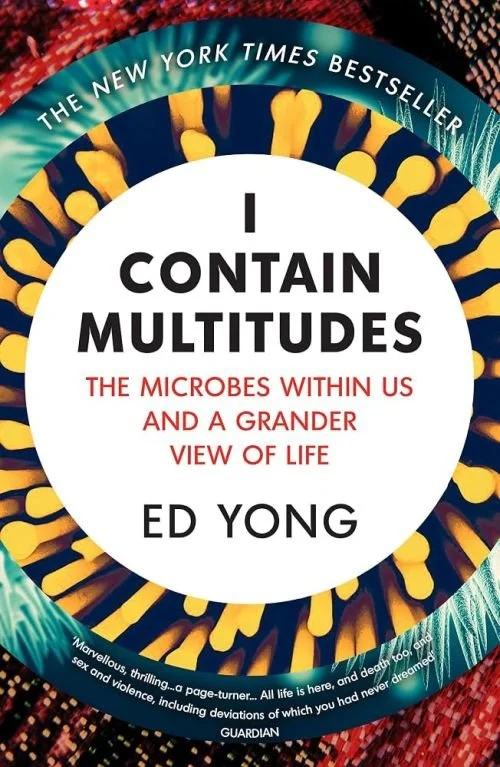
Reading pop-science books is enjoyable and also supports your studies. Here are eight books that I recommend, all of which are written to be interesting and entertaining for non-specialists. They bring biology to life and will change the way you think about these topics forever.
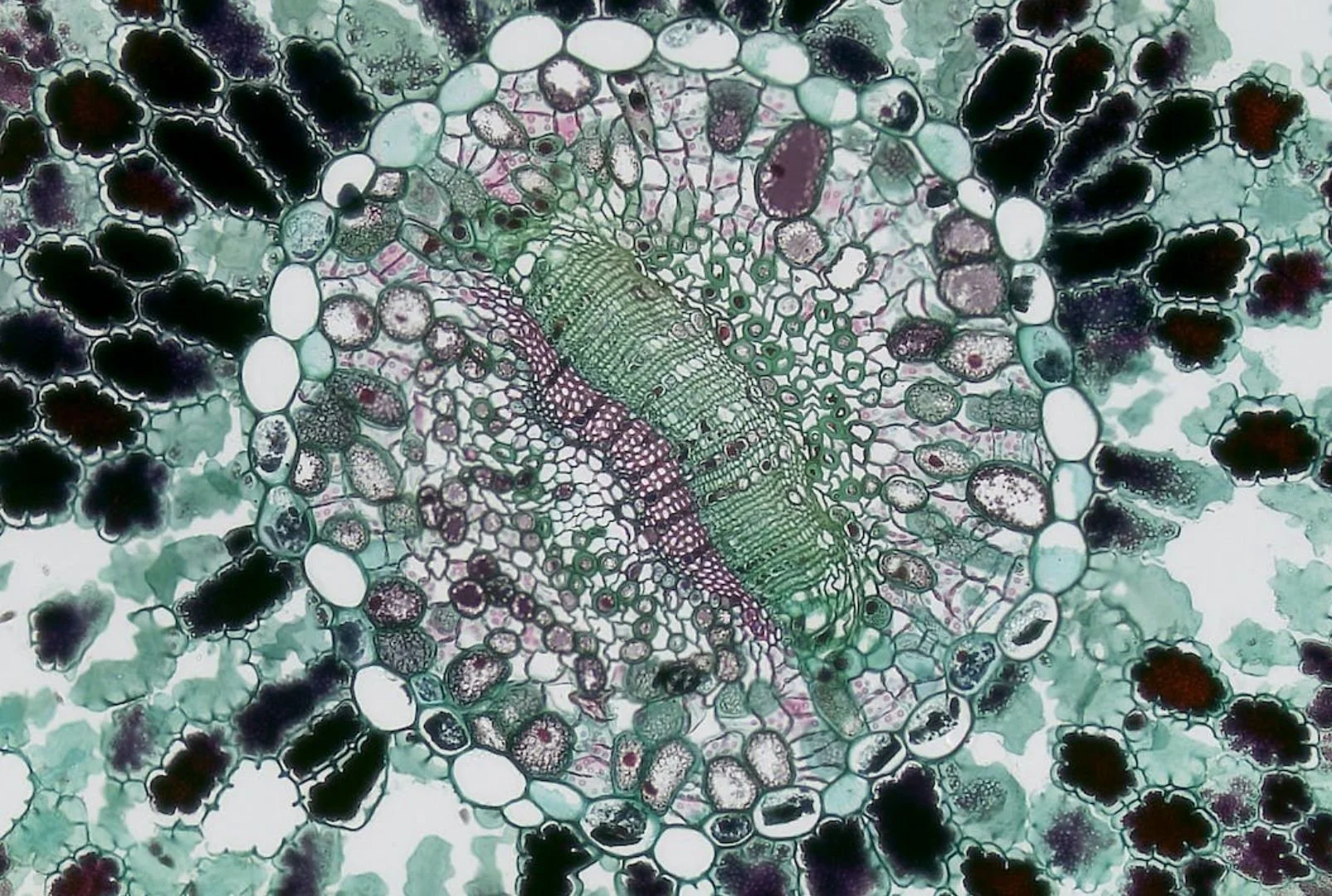
Why do some students excel while others struggle? There are factors far beyond the idea that ‘they are smarter’. Learn how to approach A-level Biology like a top-grade student and boost your grades.

We provide a wide selection of self-marking, multiple-choice quizzes by topic for OCR A and CIE. But how can you use them to best effect?
Here’s a quick guide.

Notes are really important. There’s a lot of chatter online about the best methods for taking notes, but there are also a lot of harmful myths.

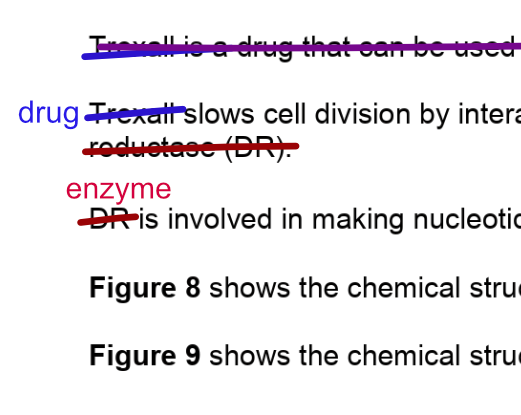
Make the question simpler for yourself. Hide everything that isn’t on the spec. You will need these words later when writing the answer out, but you do NOT need them getting in the way while you work out what the question is really about.

A simple but effective trick to boost your learning and revision. You just need a little buddy.
You need to know some maths for A level Biology, including to work out whether an experiment can be said to have shown an effect or not. Master this early on and it will not help you with exam questions, but also make it easier for you to learn the bits of the course that are explained using these statistical methods.
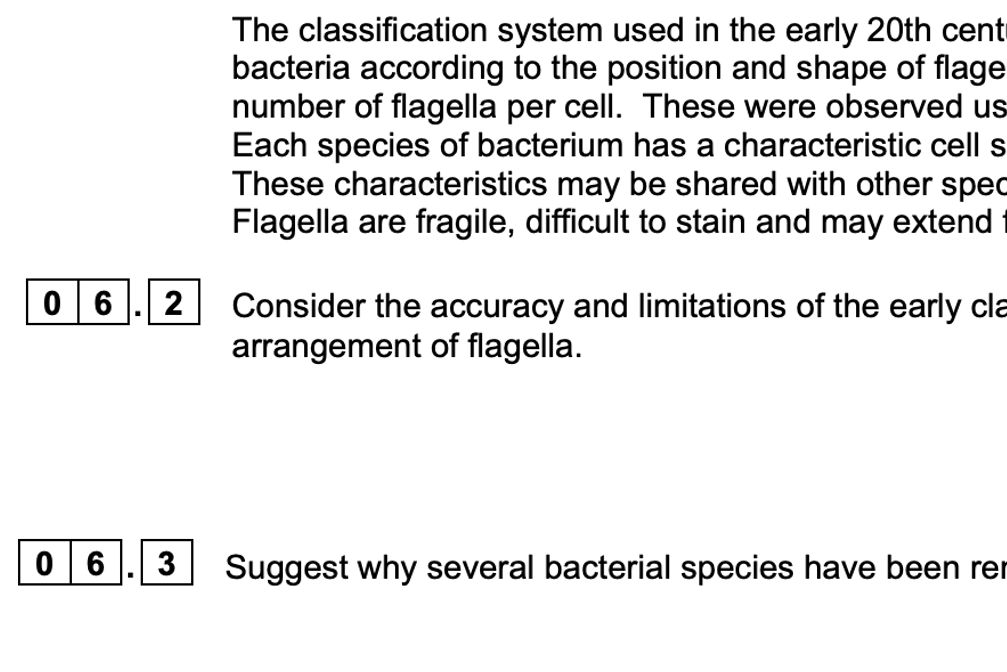
Command words are important! Step by step guide to how to approach and answer “Suggest” questions for top marks in AQA A level Biology.


Past paper essay titles and topic areas for A level Biology paper 3, with tips and guidance for how to select the best topic areas for your essay.

Mastering Carbohydrates: Your Complete Guide to OCR A Level Biology Specification 2.1.2 (d-g)
Essential Prior Knowledge to Recap
Before diving into these commonly tested topics, ensure you're confident with:
• Basic carbohydrate classification – understanding the terms monosaccharide, disaccharide and polysaccharide, and being able to distinguish between them • Condensation and hydrolysis reactions – knowing that condensation joins molecules together by removing water, whilst hydrolysis breaks bonds by adding water • The concept of monomers and polymers – recognising that large biological molecules are built from smaller repeating units • Chemical bonding basics – understanding covalent bonds and how atoms share electrons to form stable molecules • The relationship between structure and function – appreciating that the shape and properties of molecules determine their biological roles

Mastering Resting Potential, Action Potential and Propagation: Common OCR A Level Biology Questions Answered

OCR A Level Biology: Mastering Biodiversity and Simpson's Index (Section 4.2.1 a-d)
Prior Knowledge to Recap
Before diving into biodiversity questions, ensure you understand these foundational concepts:
The three levels of biodiversity: genetic diversity (variation within species), species diversity (number and abundance of species), and habitat/ecosystem diversity (range of different habitats)
Species richness vs species evenness: richness is the total number of different species present, whilst evenness refers to how similar the abundance of each species is

Mastering Neuronal Communication: Common OCR A Level Biology Questions Answered
Prior Knowledge to Recap
Before diving into neuronal communication, make sure you're confident with these key concepts:

Mastering Microscopy and Cell Structure: Common OCR A Level Biology Questions Answered
Prior Knowledge to Recap
Before diving into microscopy and cell structure, make sure you're confident with these key concepts:
• Basic cell structure – understanding the difference between prokaryotic and eukaryotic cells, and being able to identify major organelles like the nucleus, mitochondria, and chloroplasts
• Units of measurement – being confident with converting between millimetres (mm), micrometres (μm), and nanometres (nm) is essential for magnification calculations (1mm = 1000μm, 1μm = 1000nm)

Mastering AQA A Level Biology Section 3.4.3: Genetic Diversity via Mutation and Meiosis - Common Questions & Mark Scheme Insights
Prior Knowledge Essential for This Topic
Before tackling meiosis and genetic diversity questions, ensure you're confident with:
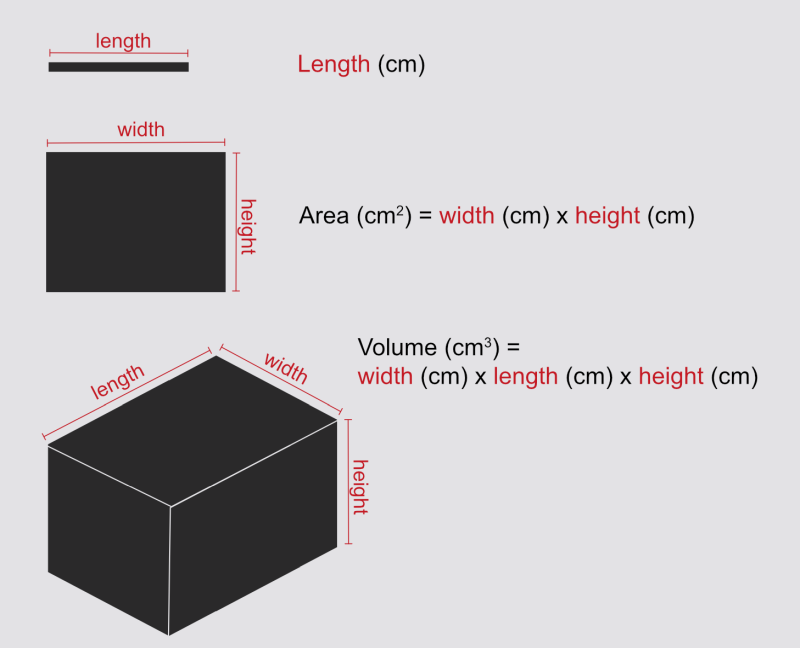
Surface area to volume ratio (SA:V) is vital for understanding a wide range of topics including transport across cell membranes, gas exchange, digestion, heat exchange, and mass transport. SA:V explains why the inner membrane of a mitochondrion is folded, why elephants have big ears, and why jellyfish don’t need blood vessels.

OCR A Level Biology: Mastering Photosynthesis - The Calvin Cycle and Limiting Factors (Section 5.2.1 e, f, g)
Prior Knowledge to Recap
Before diving into these photosynthesis questions, ensure you understand these foundational concepts:
The two stages of photosynthesis: the light-dependent stage (in thylakoid membranes) produces ATP and reduced NADP, whilst the light-independent stage (Calvin cycle in the stroma) uses these products to fix CO₂
The Calvin cycle pathway: CO₂ combines with RuBP (catalysed by RuBisCO) to form GP, which is reduced to TP using ATP and reduced NADP, with most TP recycled to regenerate RuBP

Mastering OCR A Level Biology Section 5.2.1: Photosynthesis - Common Questions & Mark Scheme Insights
After analysing extensive OCR past papers for specification section 5.2.1 a-d (Photosynthesis), I've identified the question patterns that consistently challenge students. Understanding how mark schemes assess pigment knowledge, chloroplast structure, chromatography calculations, and the relationship between photosynthesis and respiration is crucial for exam success. Let me guide you through five of the most frequently tested question types with real OCR examples.

Mastering OCR A Level Biology Section 2.1.1: Cell Structure and Organelles (g-h) - Common Questions & Mark Scheme Insights
After extensive analysis of OCR past papers for specification section 2.1.1 (Cell Structure - g-h), I've identified the question patterns that consistently challenge students. Understanding how mark schemes assess organelle functions, protein synthesis pathways, and cytoskeleton roles is crucial for exam success. Let me guide you through five of the most frequently tested question types with real OCR examples.

Mastering OCR A Level Biology Section 5.1.1: Communication, Homeostasis and Thermoregulation - Common Questions & Mark Scheme Insights
Having analyzed extensive OCR past papers for specification section 5.1.1 (Communication and Homeostasis), I've identified the question patterns that consistently challenge students. Understanding how mark schemes assess terminology, comparative statements, and explanation depth is essential for maximizing marks. Let me guide you through five of the most frequently tested question types with real OCR examples.

After analyzing past papers and mark schemes for AQA specification section 3.4.2 (DNA and Protein Synthesis), I've identified the question types that consistently challenge students. Understanding these patterns and the specific language that mark schemes reward is essential for maximizing your exam performance. Let me guide you through four of the most frequently tested question types with real AQA examples.
